
Problems we solve
Loose lead walking training in York & East Yorkshire
Walks where neither of you is dragging the other along. We teach your dog what to do on the lead, and teach you how to keep it consistent.
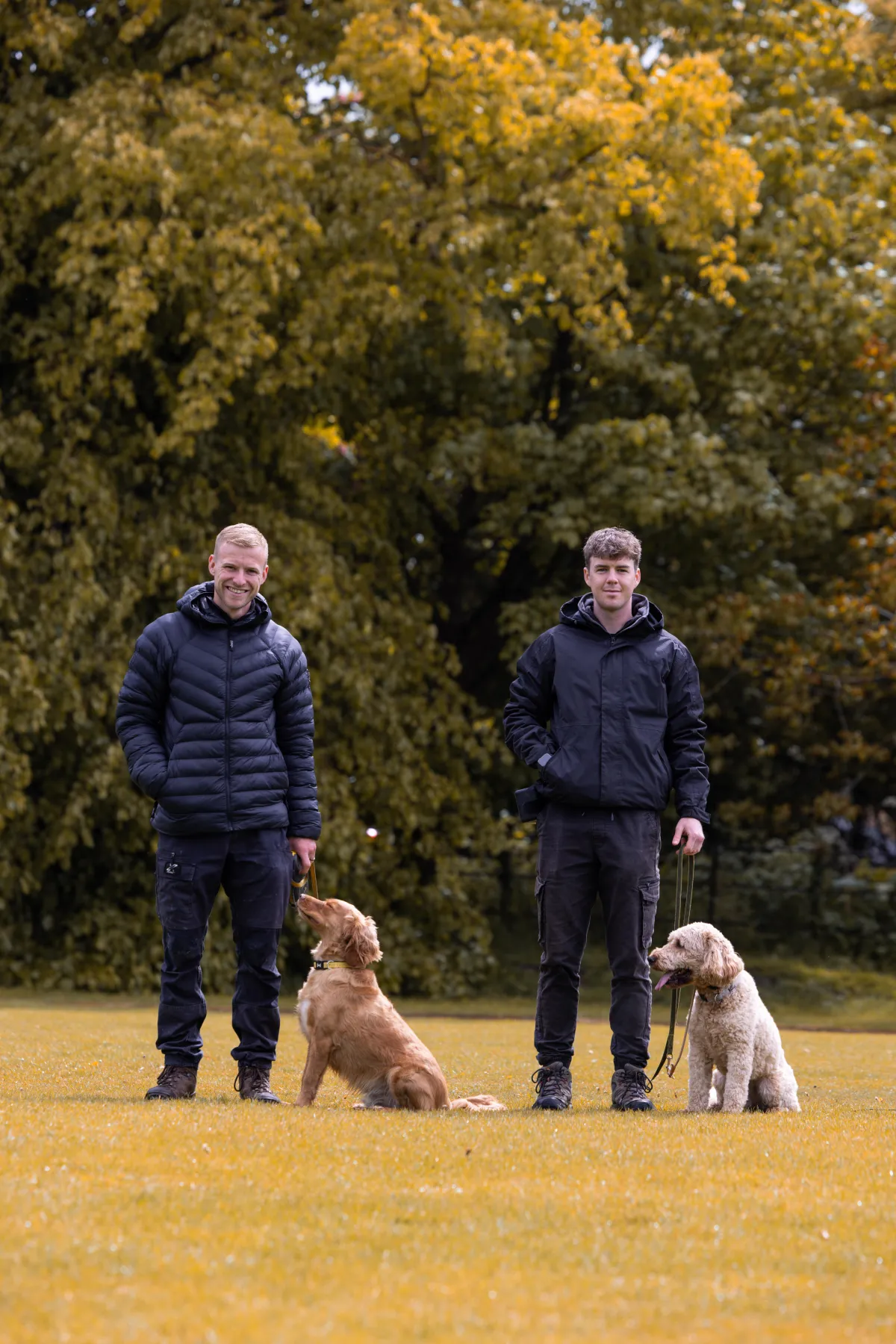
Most pulling is a habit, not defiance. Loose lead walking is a skill, and skills can be taught.
Signs and causes
Why dogs pull on the lead
- Pulling works
- Every time your dog leans into the lead and you follow, they learn that pulling gets them where they want to go.
- Pace and excitement
- Dogs walk faster than we do, and the world is full of smells. Most dogs will pull unless they are taught otherwise.
- Energy to spare
- Pulling is often worse when a dog has energy to spare. A few minutes of training or play before you set off can help.
- When it is something more
- A dog that pulls towards other dogs or people and then barks or lunges may be reactive, which needs a different plan.
How we help
How we teach loose lead walking
Every dog is different, so every plan starts with a free phone consultation.
- Stop pulling from paying off. When the lead goes tight we stop and wait. The moment it slackens, we carry on.
- Change direction. If your dog surges ahead, turn and walk the other way, and reward them when they catch up beside you.
- Reward the right position. Your dog is paid at your side with food or praise, often at first, so walking next to you becomes worth it.
- Practise where it is easy first. The garden or a quiet street, in short, focused sessions, then busier places once your dog gets it.
- Teach you both together. Lessons teach you and your dog together, so the change lasts.
Success stories
Dogs we have helped
-
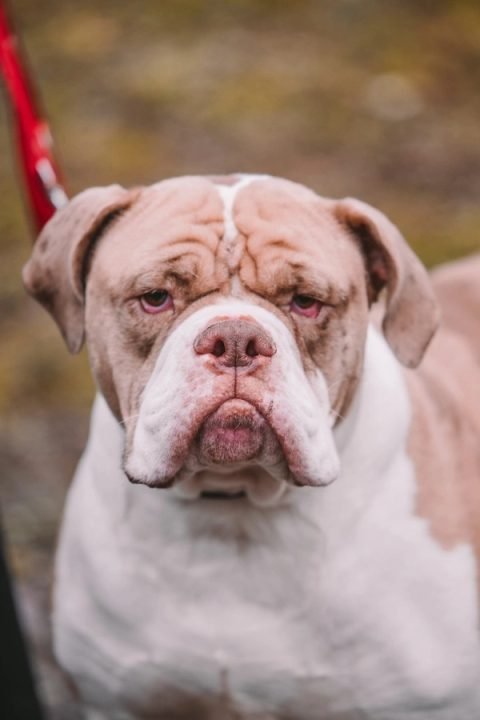
Hank Bulldog
Hank the Bulldog reacted to people, dogs and cats on walks. Three weeks of residential training took him from tail tucked to tail held high.
-
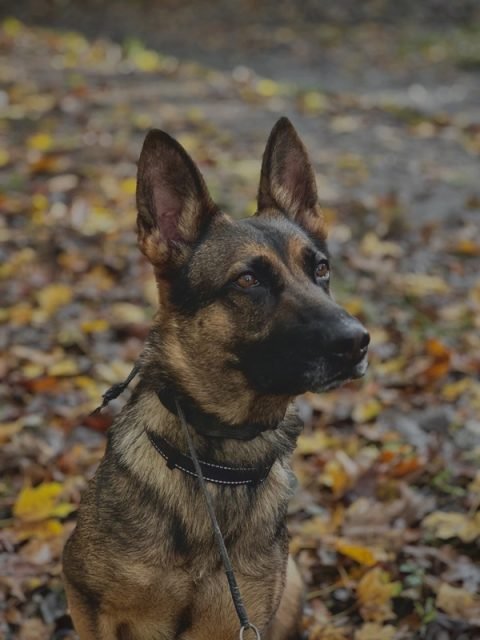
Stella German Shepherd
Stella the German Shepherd loved chasing squirrels, so her family were nervous letting her off-lead. Five intensive training days gave her reliable recall.
Which training fits
Training for pulling on the lead
-
1-2-1 Dog Training · £95 per lesson
1-2-1 lessons at our grounds, in Pocklington or at home anywhere in the East Riding teach you and your dog together, so the change lasts. -
Day Dog Training · From £160 per day
The Pathway Programme is five consecutive days of structured training with us, and your dog comes home with you every evening.
Questions
Pulling on the lead: your questions
Can’t see yours? Ask us on a free phone consultation, we reply within 24 hours.
Book a free consultationHow long does loose lead training take?
Most dogs improve within a few weeks of short daily practice, but every dog is different.
Should I use a harness or a collar?
It depends on your dog. We talk this through on the free phone consultation.
Is pulling the same as reactivity?
Not always. If your dog pulls towards other dogs or people and then barks or lunges, that may be reactivity rather than excitement, and it needs a different plan.
How often should we practise?
Short and often beats long and occasional. Five minutes on every walk is plenty.
Guides
Read more about pulling on the lead
-
How to stop your dog pulling on the lead: tips from our East Yorkshire trainers
Why dogs pull, what to do instead of following them, and how to build loose-lead walking that holds up on busy streets around York and Pocklington. -
Loose lead walking: a guide for East Yorkshire dog owners
Why dogs pull on the lead, and the simple daily routine our trainers near Pocklington use to teach calm, loose lead walking in a few weeks. -
The importance of play: games to train your dog in York and East Yorkshire
Why play matters for your dog's training and wellbeing, four games to build into your walks and training, and tips for getting the most from them.