
Problems we solve
Reactive dog training in York & East Yorkshire
Barking, lunging or freezing at dogs, people or traffic is usually fear or frustration, not "bad behaviour". We find what is driving it and build calm, reliable walks.
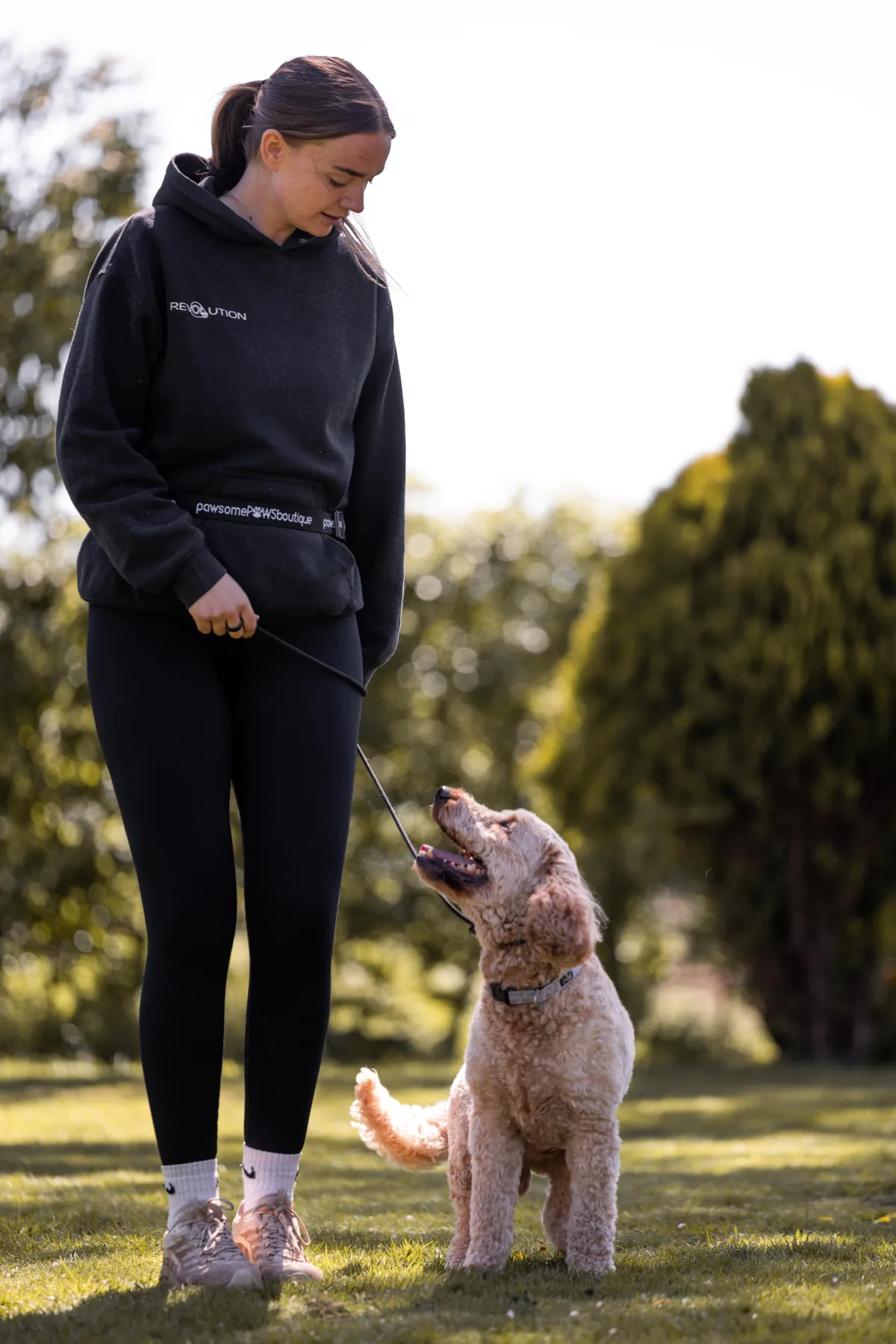
Reactivity is a dog over-reacting to something it sees, hears or meets. Telling a reactive dog off rarely helps, so the first job is finding out what is driving it.
Signs and causes
What reactivity looks like and why it happens
- On walks
- Barking, lunging or growling at dogs or people, and pulling hard towards, or away from, whatever sets them off.
- Quieter signs
- Freezing, staring or refusing to move, and struggling to settle in busy places such as cafés or parks.
- Why it happens
- It is usually driven by fear or frustration, most often around other dogs, people or traffic.
- Neutering
- Castration is often suggested as a fix. It is rarely the answer on its own.
How we help
How we help reactive dogs
Every dog is different, so every plan starts with a free phone consultation.
- A relationship first. With a nervous dog we build a positive rapport before anything else.
- Foundations in calm places. Lead manners, recall, place work and settling, practised in a controlled setting first.
- Safety. Where a dog is unpredictable, we muzzle-train so they can keep learning safely around people and dogs.
- Gradually busier, real places. Quiet spots first, then busy parks, shopping areas and cafés as the dog copes.
- Handing it over to you. Training only lasts if it works for you, so we show you how to keep it going, with follow-up lessons and WhatsApp support.
Success stories
Dogs we have helped
-
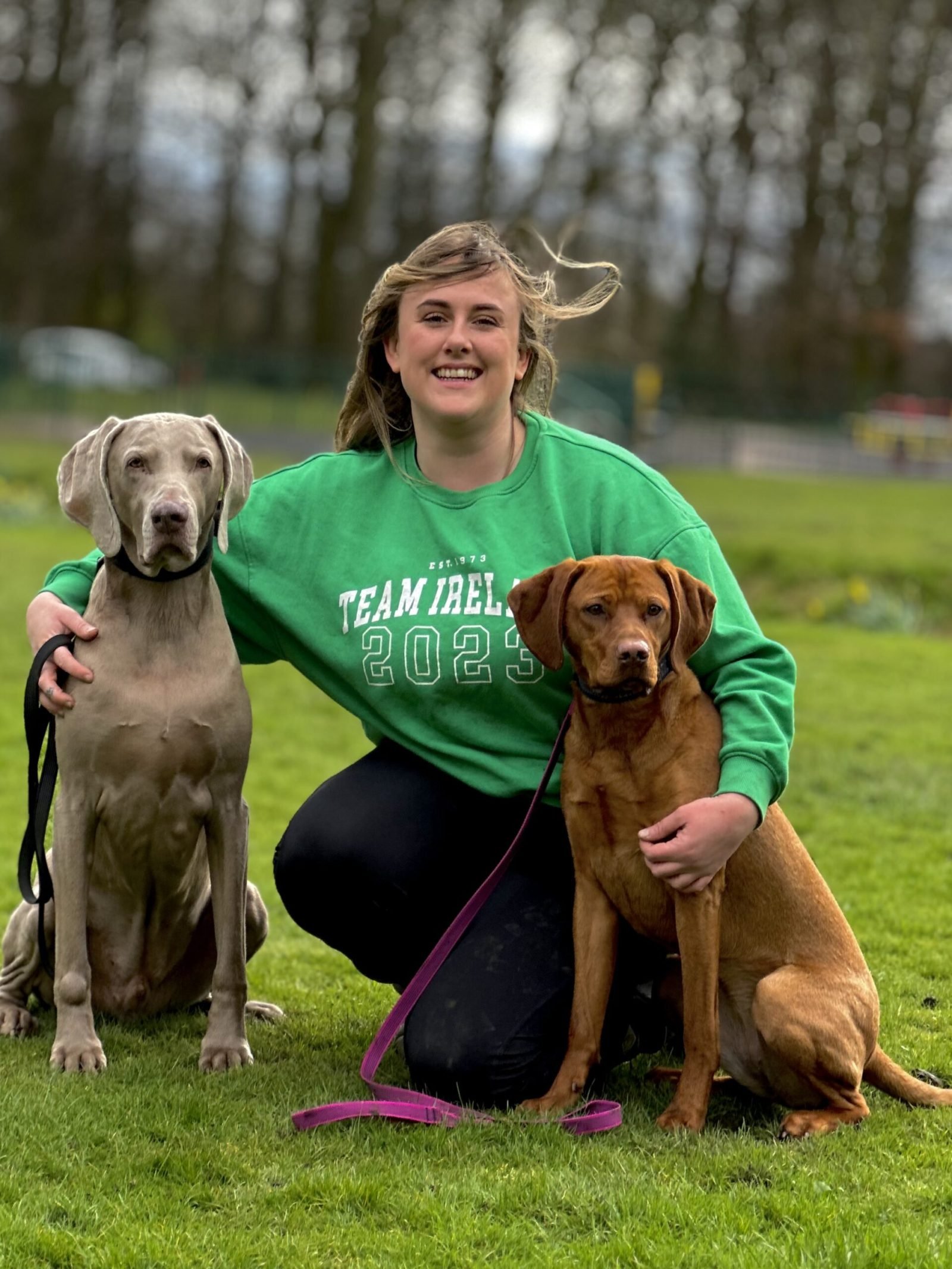
Ollie & Isla Weimaraner, and Vizsla x Labrador
Ollie, a senior rescue Weimaraner, was reactive with multiple triggers and had bitten. Tailored 1-2-1 lessons turned him into a calm, neutral dog.
-
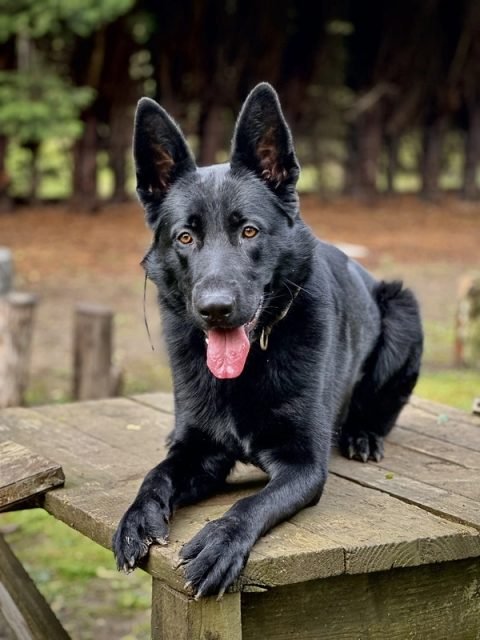
Chico German Shepherd
Chico the German Shepherd was reactive to people and dogs and had not been off-lead since he was a pup. Two weeks of residential training changed that.
-
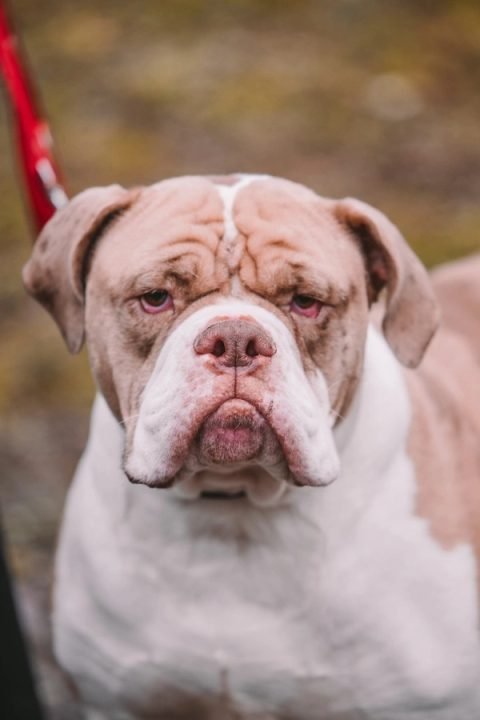
Hank Bulldog
Hank the Bulldog reacted to people, dogs and cats on walks. Three weeks of residential training took him from tail tucked to tail held high.
Which training fits
Training for reactivity
-
1-2-1 Dog Training · £95 per lesson
The right fit if you want to be part of every lesson, from £95 a lesson. Tailored 1-2-1 lessons are how Ollie, a senior rescue with multiple triggers, became calm and neutral. -
Residential Dog Training · From £125 per day
The Mastery Programme is built for complex or deep-rooted reactivity. Your dog lives with us for four to eight weeks, then we hand the training over to you.
Questions
Reactivity: your questions
Can’t see yours? Ask us on a free phone consultation, we reply within 24 hours.
Book a free consultationCan a reactive dog change?
Yes. In 2025 we helped more than 90 reactive dogs. Every dog is different, so every plan starts with a free phone consultation to find out what is driving the behaviour.
Which training is best for a reactive dog?
1-2-1 lessons suit owners who want to be part of every lesson. The Mastery Programme, our four to eight week residential stay, is for complex or deep-rooted reactivity. We recommend one on the phone consultation.
My dog has bitten. Can you still help?
Tell us on the phone consultation. Dogs with a history of aggression are assessed case by case, so we can plan the safest route for your dog.
Will neutering fix my dog’s reactivity?
Rarely on its own. Castration is often suggested as a fix for reactivity, so read our guide to neutering reactive dogs before you decide.
Guides
Read more about reactivity
-
Reactive dog training in York and East Yorkshire: how we help
What reactivity is, why it happens and how we help reactive dogs in York and East Yorkshire, with real stories from dogs we've trained. -
The truth about neutering reactive dogs: advice from our York trainers
Castration is often suggested as the fix for a reactive dog. Here is why it is rarely the answer on its own, and what to do about reactivity instead. -
Aggressive dog training in York and East Yorkshire: what helps and when to get support
Why dogs growl, snap or bite, what to do (and avoid) at home, and how our trainers help aggressive dogs across York and East Yorkshire.