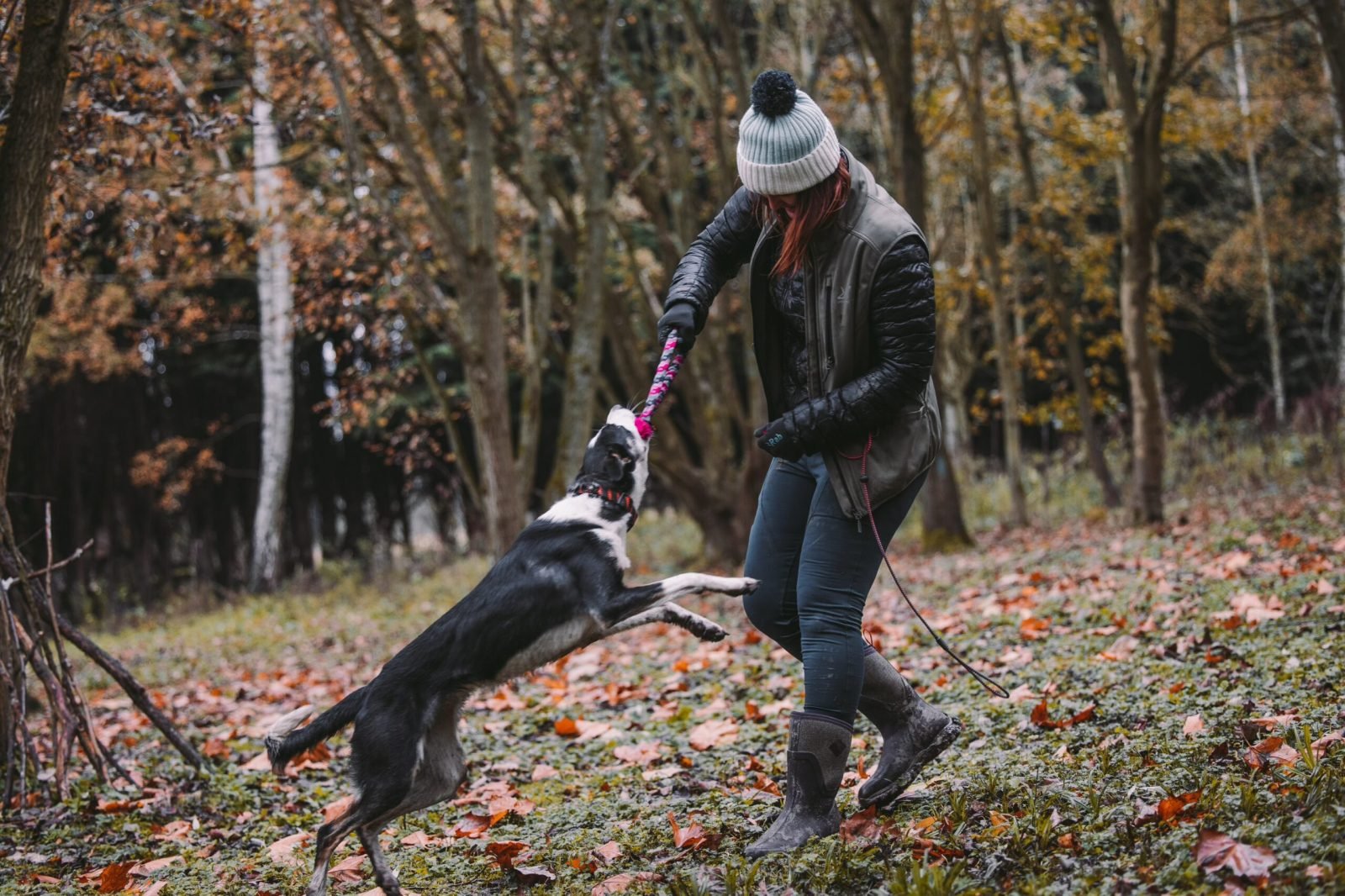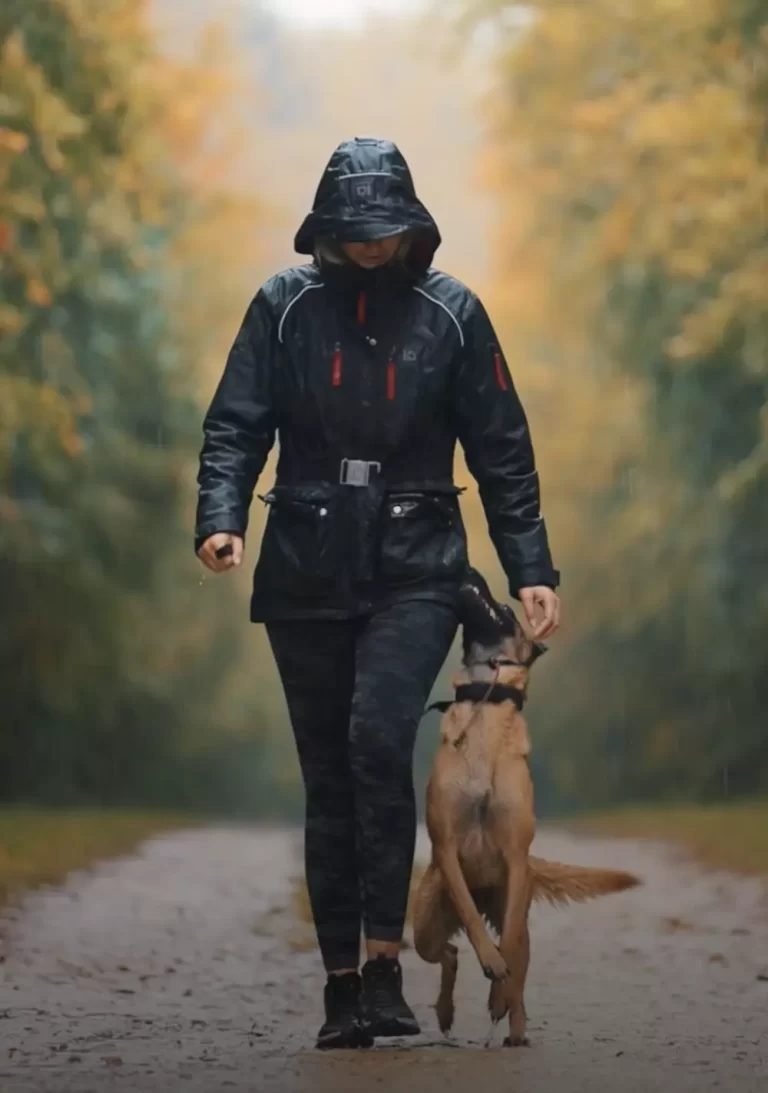
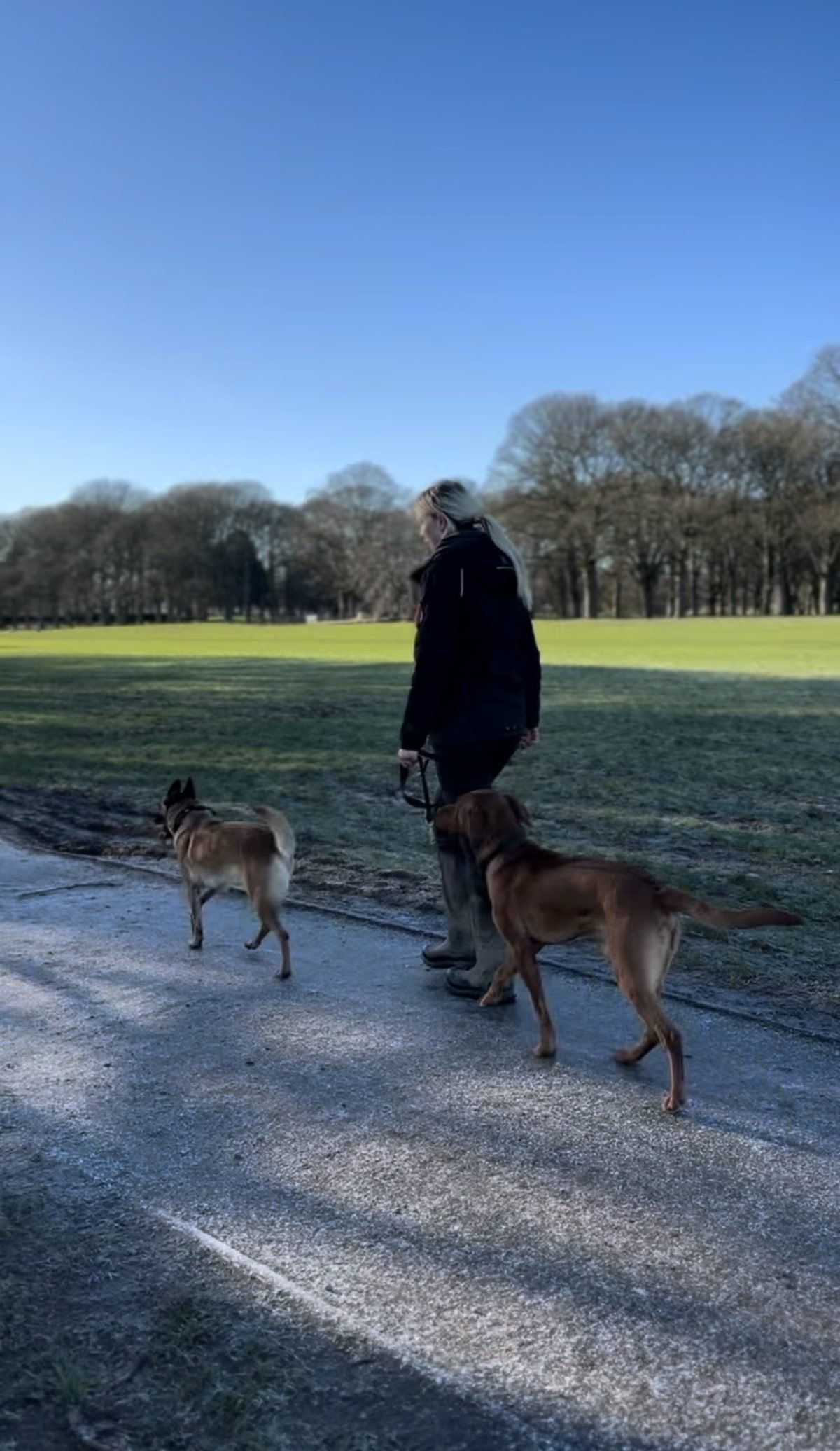
A dog that pulls turns every walk into hard work, and for strong dogs it can be unsafe. The good news: loose-lead walking is a skill, and skills can be taught.
Why dogs pull
Pulling works. Every time your dog leans into the lead and you follow, they learn that pulling gets them where they want to go. Add excitement, a world full of smells and a walking pace that's naturally faster than ours, and most dogs will pull unless they're taught otherwise.
Stop pulling from paying off
- Stop when the lead goes tight. Stand still and wait. The moment the lead slackens, carry on.
- Change direction. If your dog surges ahead, turn and walk the other way, and reward them when they catch up beside you.
- Reward the right position. Pay your dog at your side with food or praise, often at first, so walking next to you becomes worth it.
Practise where it's easy first
Start in the garden or a quiet street, not on the way to the park when your dog is at their most excited. Short, focused sessions work better than a long walk where you're battling the whole way. Build up to busier places once your dog gets it.
Burn off the excitement in other ways
Pulling is often worse when a dog has energy to spare. Exercise alone isn't enough, but a few minutes of training or play before you set off can help your dog walk out calmer. Our guide to the importance of play has games that help.
When pulling is something more
If your dog pulls towards other dogs or people and then barks or lunges, that may be reactivity rather than excitement, and it needs a different plan. Read how we help reactive dogs.
A real result
Fenton, a one-year-old Labrador, pulled so hard he'd become a nightmare to walk. After three intensive training days and regular 1-2-1 lessons, he now walks to heel. His owner said:
"When I had him back after the 3rd session he was like a new dog."
Get help with lead walking
1-2-1 lessons at our grounds, in Pocklington or at home anywhere in the East Riding teach you and your dog together, so the change lasts. Start with a free phone consultation.
Need help with your dog?
1-2-1 Dog Training in York, Pocklington and East Yorkshire, starting with a free phone consultation.