

It’s one of the most common and understandable questions dog owners ask before committing to residential dog training. You invest time, trust, and money into sending your dog away, only to worry that everything might unravel once they return to normal life at home.
If you’re dealing with reactivity, poor recall, lead pulling, or general behavioural challenges, this concern is especially valid. You want real, lasting change – not short-term improvements that disappear as soon as routines return.
This guide explains how residential dog training works, what determines long-term success, and what you can realistically expect when your dog comes home. It also covers the owner’s role in maintaining progress and why the right support makes all the difference.
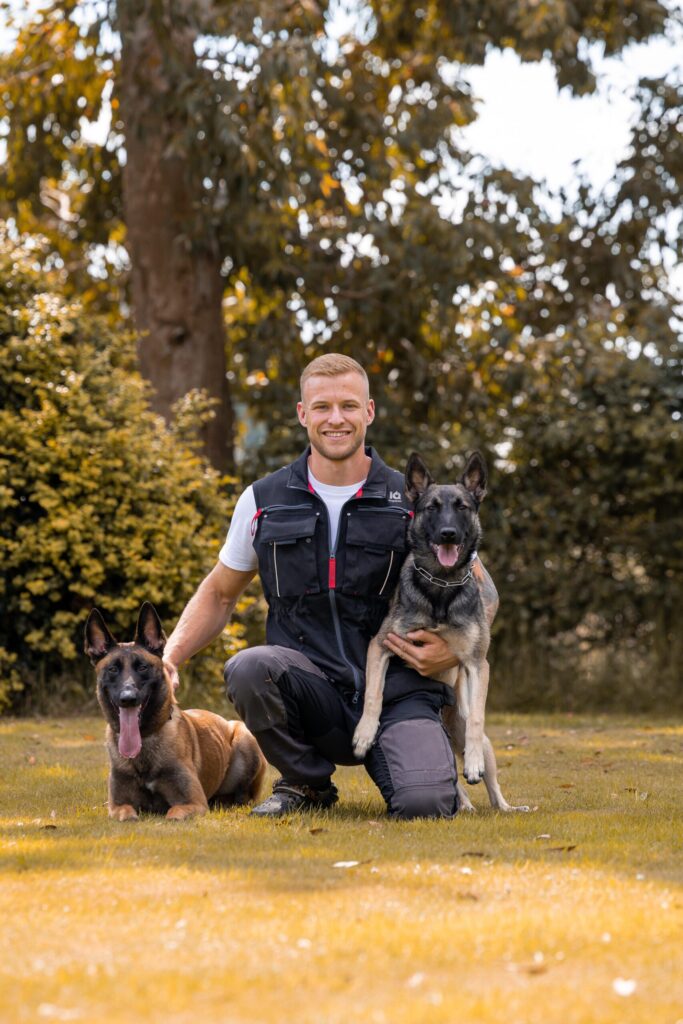
Residential dog training is often chosen by owners who have already tried group classes, online advice, or short-term training solutions without seeing consistent results. For many dogs across Yorkshire, everyday environments present real challenges. Busy walking routes, livestock, town centres, parks, and high-distraction areas are part of daily life for owners. Training that only works in controlled settings doesn’t translate well to these realities.
The real concern isn’t whether a dog can behave during training. It’s whether that behaviour holds up at home, on walks, and in everyday situations. Understanding how behaviour is transferred after residential training is essential before choosing a programme.
Residential dog training is not about “fixing” a dog in isolation. When delivered properly, it focuses on building reliable behaviours that can be transferred back to the owner and maintained long term.
Dogs learn through repetition and clarity. Residential training provides a consistent daily structure where expectations are clear and behaviours are practised repeatedly. This reduces confusion and helps dogs understand what is required of them.
Effective residential training does not rely solely on one location. Dogs are exposed to real-world environments, allowing behaviours to be tested around distractions rather than only in ideal conditions.
This is why many owners choose structured residential dog training programmes that combine a dedicated training base with practical, everyday exposure.
Rather than masking unwanted behaviours, professional training focuses on why those behaviours exist. This may involve confidence building, impulse control, engagement, or emotional regulation, depending on the dog.
By addressing the cause rather than the symptom, behaviour change becomes more reliable and easier to maintain.
A dog returning from residential training doesn’t come back “pre-programmed”. Behaviour is learned, and long-term success depends on how that learning is supported at home.
One of the most important stages of residential training is the transfer process. Owners are shown how to handle, communicate, and reinforce the behaviours their dog has learned.
This ensures continuity between training and home life, reducing mixed signals that can cause setbacks.
Owners receive practical, easy-to-follow guidance rather than vague instructions. Understanding what to do, how to do it, and why it works makes maintaining progress far more achievable.
Behaviour change doesn’t end when a programme finishes. Access to follow-up advice and structured support allows small challenges to be addressed early rather than becoming bigger problems.
Dogs respond to consistency, not specific people. When owners apply the same structure and clarity, behaviours transfer naturally.
Some adjustment is normal as dogs settle back into familiar routines. This doesn’t mean training has failed. With correct handling, behaviours stabilise quickly.
Residential training accelerates learning, but owners remain an essential part of long-term success. The goal is to equip both dog and owner with the tools they need.
For many owners, seeing real outcomes helps build confidence. Dogs across Yorkshire have returned home from our residential dog training in Pocklington with noticeable, lasting improvements.
You can explore real behaviour journeys and outcomes through these success stories, including reactivity, recall, and confidence challenges.
These examples show how structured training combined with owner involvement leads to reliable, everyday behaviour.
Revolution Dog Training focuses on behaviour that works at home, not just during training. Every programme is designed to create lasting results that transfer into real, everyday life once your dog returns home.
To understand the philosophy behind this approach, owners can learn more about the team and their experience. For dogs that benefit from continued guidance, one-to-one training sessions are available to reinforce behaviours in real environments.
Residential dog training can absolutely lead to reliable behaviour at home when it is delivered properly and supported correctly. The key factors are consistency, real-world exposure, owner education, and ongoing support.
This isn’t about quick fixes or temporary improvements. It’s about giving dogs the skills they need to succeed and giving owners the confidence to maintain those behaviours long term.
If you’re considering residential training and want honest advice about whether it’s right for your dog, the next step is a conversation. Contact our residential dog trainers in Pocklington today.