
Problems we solve
Aggressive dog training in York & East Yorkshire
Living with a dog that growls, snaps or bites is stressful and often lonely. It is rarely too late. We assess safely, find the cause and give you a clear plan to follow.
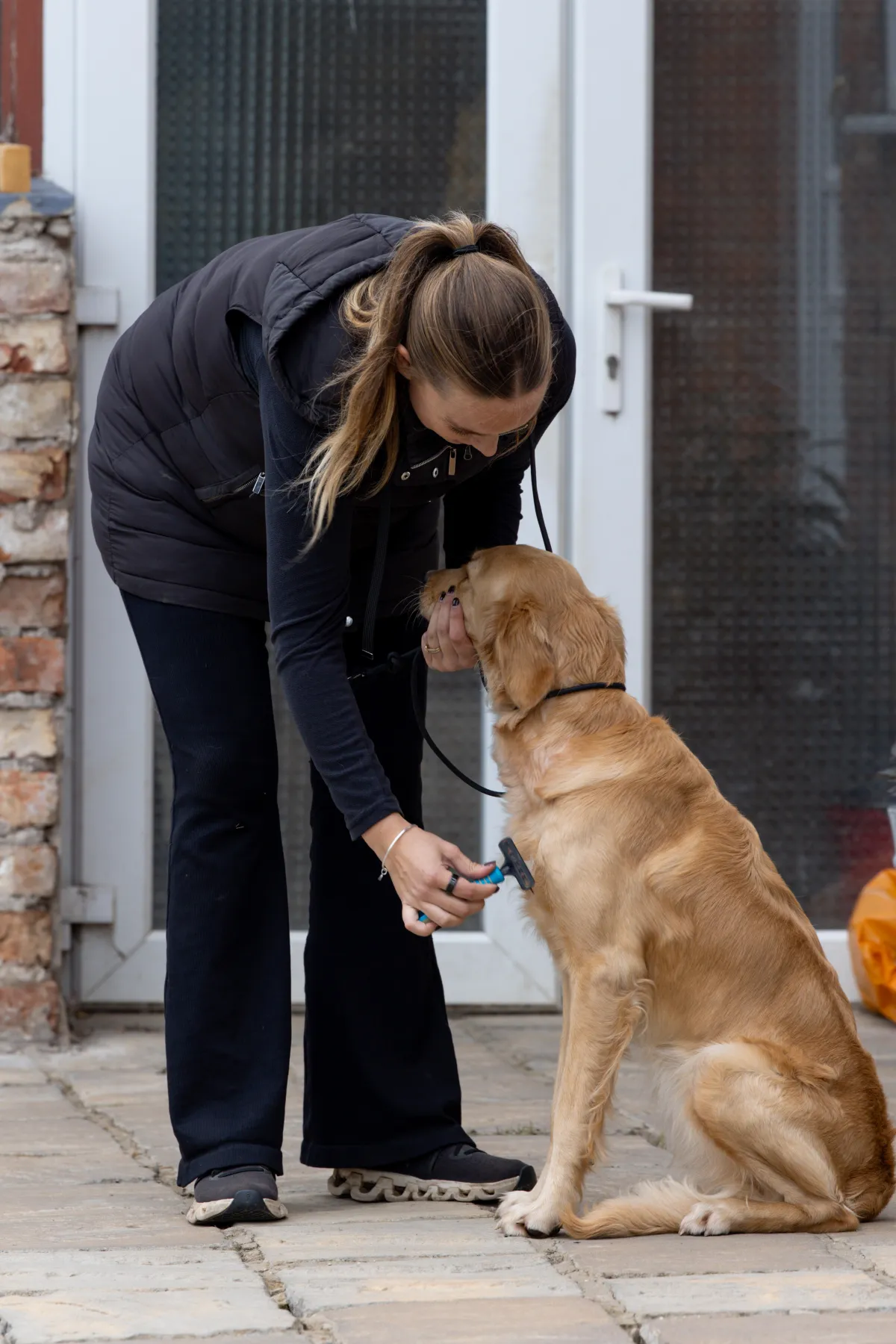
Aggression is communication. A dog that growls, snaps or bites is telling you something isn’t working for them, and the behaviour usually has a reason.
Signs and causes
Why dogs become aggressive
- Fear
- The most common driver. A dog that can’t escape something frightening may decide attack is the best defence.
- Guarding
- Food, toys, beds, spaces or people the dog sees as theirs, often called resource guarding.
- Frustration
- Restraint on a lead, behind a fence or in the car, especially around other dogs.
- Pain
- Aggression that appears suddenly can be a sign something hurts, so a vet check comes first.
- Learned success
- If growling or snapping has made things go away before, a dog learns that it works.
Safety first
What to do now, while you get help
If your dog has bitten, or you are worried about safety, tell us on the phone consultation. Dogs with a history of aggression are assessed case by case.
- Keep everyone safe
- Avoid the situations you know set your dog off, and keep children and visitors apart from your dog when you can’t supervise.
- Don’t punish the growl
- A growl is a warning. Punish it, and some dogs learn to skip the warning and go straight to a bite.
- Consider a muzzle
- Introduced gradually and positively, a muzzle lets your dog keep learning safely. It is a tool, not a punishment.
- Write it down
- When it happens, where, with whom, and what came before. Patterns help us build the right plan.
How we help
How we help aggressive dogs
Every dog is different, so every plan starts with a free phone consultation.
- Find the cause. What triggers the behaviour, and what is driving it.
- Build trust and structure. Clear, fair communication so your dog knows what is expected and feels safe.
- Work in controlled settings first. Foundations are built calmly before we add pressure.
- Gradually busier, real places. As your dog copes, the training moves into everyday life.
- Hand it over to you. The goal is a dog that is safe with you, not just with us.
Success stories
Dogs we have helped
-
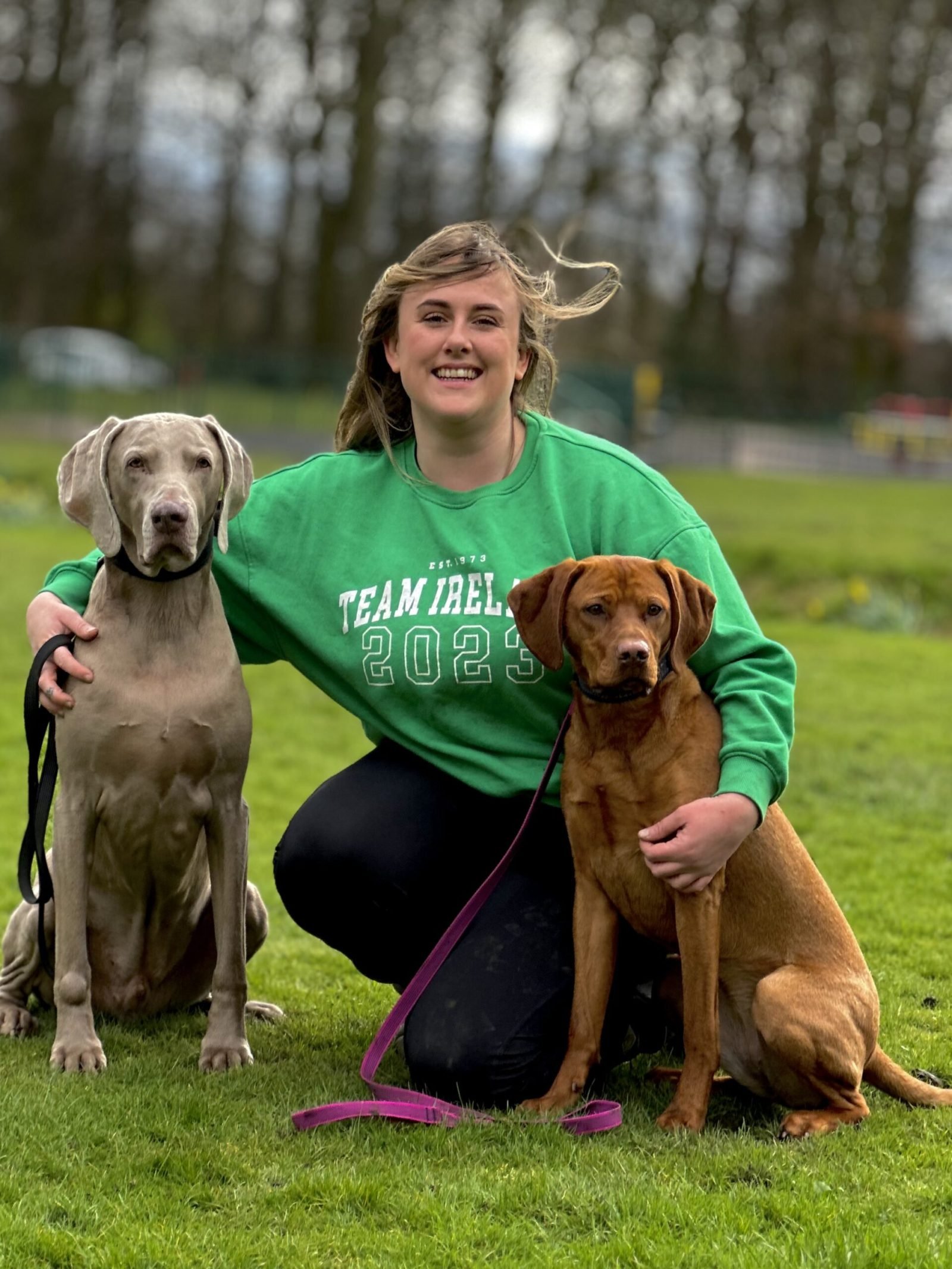
Ollie & Isla Weimaraner, and Vizsla x Labrador
Ollie, a senior rescue Weimaraner, was reactive with multiple triggers and had bitten. Tailored 1-2-1 lessons turned him into a calm, neutral dog.
Which training fits
Training for aggression
-
Residential Dog Training · From £125 per day
The Mastery Programme is designed for complex or deep-rooted issues such as aggression and resource guarding. Your dog lives with us for four to eight weeks, in our home, not kennels, with follow-up lessons when they come home. -
1-2-1 Dog Training · £95 per lesson
1-2-1 lessons work for many dogs, with you part of every lesson. Ollie, a senior rescue Weimaraner who had bitten, became a calm, neutral dog through tailored 1-2-1 lessons.
Questions
Aggression: your questions
Can’t see yours? Ask us on a free phone consultation, we reply within 24 hours.
Book a free consultationIs it too late to help my aggressive dog?
Rarely. In 2025 alone we saved 18 dogs from being put to sleep. The sooner you get help, the easier aggression is to change.
My dog has bitten someone. What should I do?
Keep everyone safe by avoiding the situations that set your dog off, and tell us on the phone consultation. Dogs with a history of aggression are assessed case by case, so we can plan the safest route.
Should I tell my dog off for growling?
No. A growl is a warning. Punish it, and some dogs learn to skip the warning and go straight to a bite.
Is neutering the answer to aggression?
Castration is often suggested for aggressive or reactive males. It is rarely the answer on its own.
Guides
Read more about aggression
-
Aggressive dog training in York and East Yorkshire: what helps and when to get support
Why dogs growl, snap or bite, what to do (and avoid) at home, and how our trainers help aggressive dogs across York and East Yorkshire. -
Reactive dog training in York and East Yorkshire: how we help
What reactivity is, why it happens and how we help reactive dogs in York and East Yorkshire, with real stories from dogs we've trained. -
The truth about neutering reactive dogs: advice from our York trainers
Castration is often suggested as the fix for a reactive dog. Here is why it is rarely the answer on its own, and what to do about reactivity instead.