

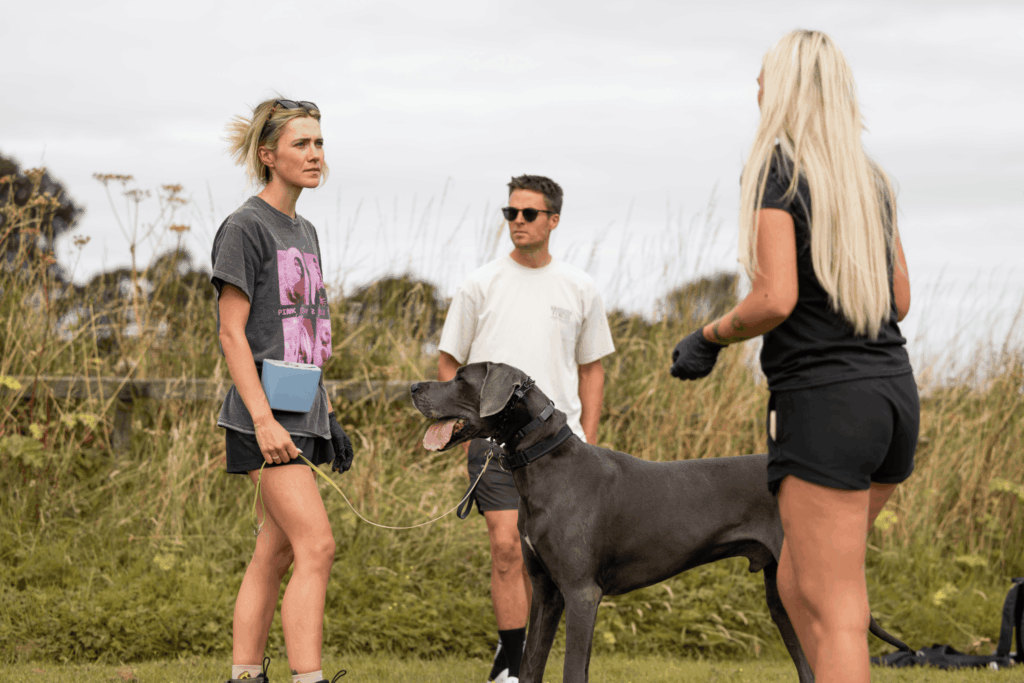
Choosing the right type of training for your dog can feel overwhelming. Many owners wonder whether residential dog training or in-home training will deliver the best results for their dog’s behaviour.
If your dog struggles with reactivity, recall, lead pulling or general behaviour challenges, you may already be exploring professional training options. The most common approaches are residential training programmes and one-to-one sessions where owners work directly with a trainer.
Each method offers different benefits, and the right choice depends on your dog’s behaviour, your goals as an owner, and the level of support needed to achieve lasting results.
This guide explains how residential training compares with owner-led training and helps dog owners across the wider East Yorkshire region decide which option may suit their situation.

Rural walking routes, busy towns such as York, and public spaces with livestock or wildlife distractions can make reliable behaviour essential.
Problems such as recall issues, reactivity towards other dogs, or lead pulling often appear in real-world environments rather than controlled training spaces. As a result, the type of training programme chosen can significantly influence how well behaviour transfers to everyday life.
For some dogs, structured residential programmes provide the consistency required to address deeper behavioural patterns. For others, working directly with a trainer through one-to-one sessions offers the guidance owners need to reinforce training themselves.
Understanding the strengths of each option helps ensure that both dogs and owners receive the support needed to achieve lasting results.
If you are new to the training process, you can learn more about the philosophy behind the team here.
Residential dog training is an intensive programme where a dog stays with professional trainers for a structured period of time. During this time, the dog receives consistent training throughout the day in a controlled environment while gradually being exposed to real-world distractions.
At Revolution Dog Training, residential programmes are delivered from a training base near Pocklington. Dogs live and train with experienced trainers while learning behaviours such as:
• Reliable recall
• Calm lead walking
• Engagement and focus
• Improved impulse control
• Reduced reactivity
Training is structured and repeated daily, helping dogs develop clear behavioural patterns. Many owners choose residential programmes when they want accelerated progress or when behaviour challenges have not improved through previous training attempts.
Further insight into the benefits of structured residential programmes can also be found here.
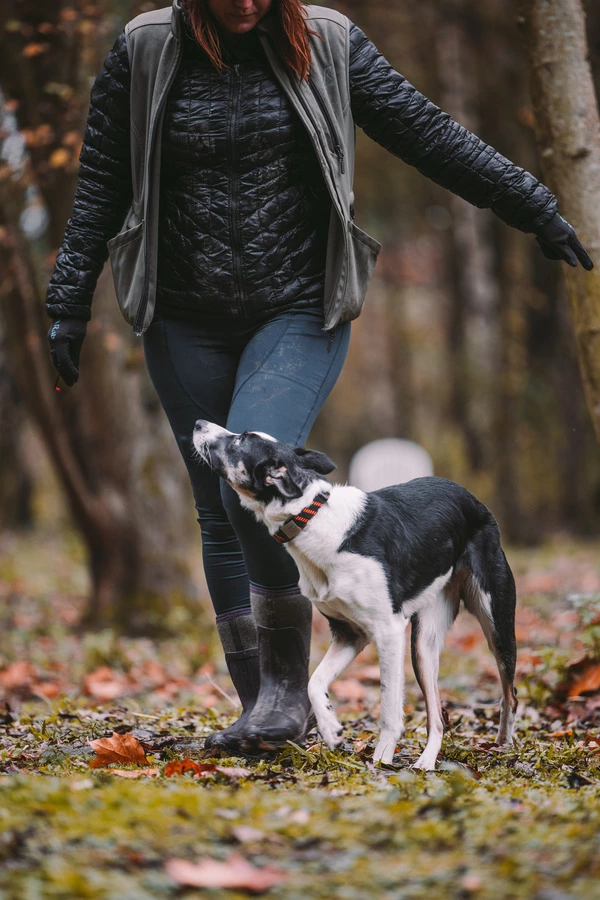
In-home training typically refers to sessions where the dog owner works directly with a trainer, applying training techniques during guided sessions.
At Revolution Dog Training, this approach is delivered through one-to-one dog training sessions, allowing owners to work directly with a trainer while learning how to guide their dog effectively.
These sessions focus on:
• teaching owners practical handling skills
• identifying the root causes of behaviour problems
• building communication between owner and dog
• applying training in everyday environments
This style of training works particularly well for owners who want hands-on involvement in the learning process.
Residential programmes provide a structured environment where training happens daily. This level of repetition helps some dogs learn faster and develop clearer behavioural patterns.
One-to-one training progresses more gradually because practice happens primarily during scheduled sessions and at home between lessons.
Owner-led training requires owners to apply techniques themselves during and after sessions.
Residential training focuses on building behaviour first, followed by a transfer process where owners learn how to maintain the behaviours their dog has developed.
If you are unsure whether behaviour will transfer successfully, this article explains the process in more detail.
Some behaviour issues may benefit from structured residential environments, particularly when consistency and routine are required.
Other situations can be addressed effectively through one-to-one training, particularly when owners are able to practise regularly and reinforce training between sessions.
One-to-one training requires consistent effort from owners between sessions.
Residential programmes allow dogs to develop structured behaviours before owners continue the process at home with guidance from trainers.
Many puppies benefit from structured early guidance. Owners exploring puppy foundations can learn more about puppy development and early behaviour training here.
No. Owners remain an essential part of the training process. After a residential programme, owners learn how to handle and maintain the behaviours their dog has developed.
No. While residential programmes can help with complex behavioural challenges, they are also used by owners who want structured foundations for obedience, recall or engagement.
You can also explore this related article about the importance of socialisation.
Understanding how training works in real life often helps owners feel more confident about choosing a programme.
Across East Yorkshire, many dogs have progressed from behavioural challenges to calmer, more reliable behaviour through structured training.
Examples of these journeys can be explored in our success stories.
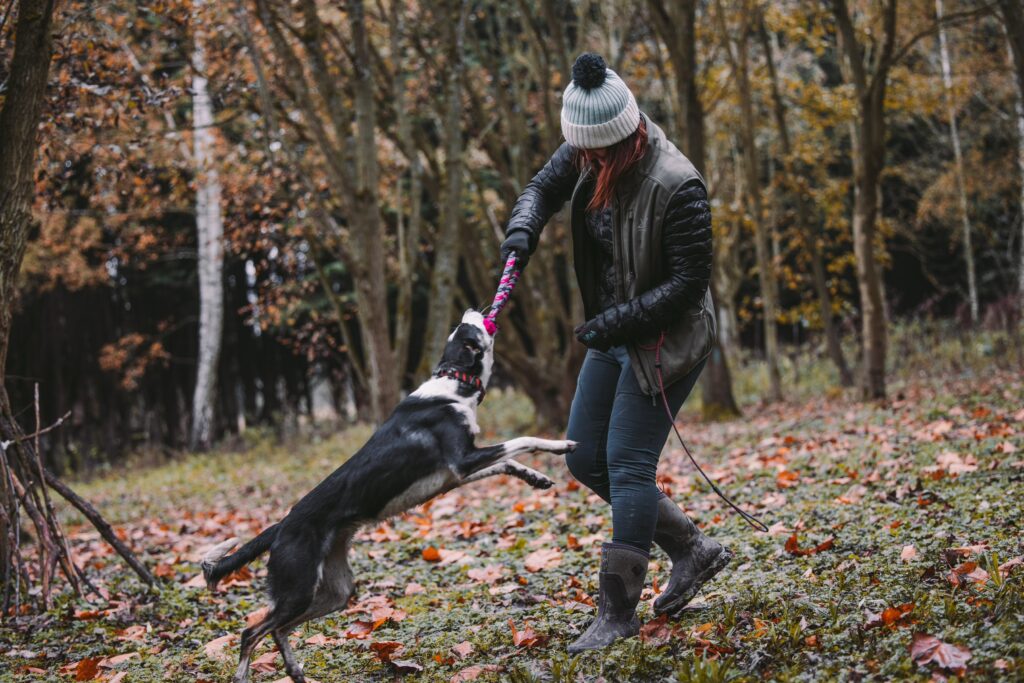
Revolution Dog Training provides structured dog training programmes in Pocklington, York and the surrounding East Yorkshire region.
The team focuses on clear communication, practical training and behaviour change that holds up in real-world environments.
Training may include:
• Structured residential programmes delivered from a training base near Pocklington
• Personalised one-to-one dog training sessions
• Early foundation guidance for puppies
Every programme begins with an assessment designed to understand the dog’s behaviour and the owner’s goals before recommending the most suitable training pathway.
Choosing between residential and owner-led training ultimately depends on the dog, the behaviour challenges involved and the type of support the owner prefers. Both approaches can produce meaningful progress when delivered with structure, consistency and clear communication.
If you would like professional guidance on which option may suit your dog best, the next step is a conversation with an experienced trainer.