

Sending your dog to live with a professional trainer is a big decision. For many owners, it comes after months or even years of struggling with behaviour issues that do not improve through classes, online advice, or occasional training sessions.
Our Residential dog training in Pocklington offers a structured, immersive approach that goes far beyond weekly lessons. Instead of training being something that happens once or twice a week, it becomes part of your dog’s daily routine, shaping behaviour consistently throughout the day.
For dog owners, this type of training is often the turning point when other methods have failed. In this guide, we explain how residential training works, why it is effective, who it is best suited for, and how it supports long-term dog training results rather than quick fixes.
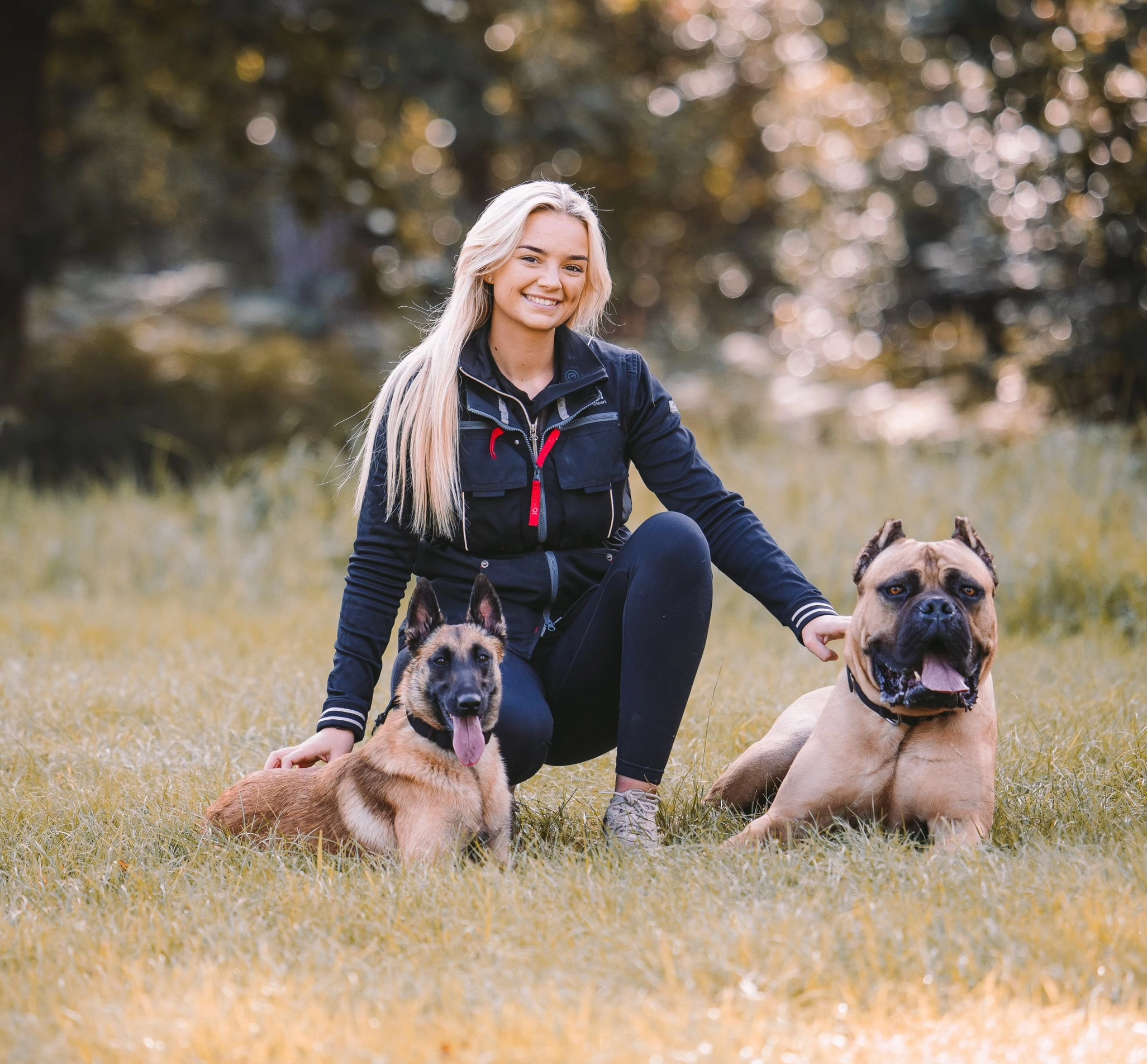
Residential dog training, sometimes referred to as board and train dog programmes, involves your dog living with a professional dog trainer for a set period of time. During this stay, training happens continuously within a real home environment rather than in a kennel or classroom setting.
At Revolution Dog Training, our residential dog training in Pocklington focuses on teaching dogs how to behave calmly and reliably throughout everyday life. This includes:
Because training is woven into normal daily life, dogs learn habits rather than isolated commands. This is a key reason why residential programmes often deliver stronger and more reliable outcomes than short-term or class-based options.
One of the biggest challenges for dog owners is maintaining consistency. Different family members often apply different rules, and training sessions can be irregular or rushed.
With residential dog training, consistency is built into every interaction. The same expectations are reinforced from morning to night, every day of the programme. According to learning theory referenced by organisations such as the Kennel Club, dogs learn faster and retain behaviours more effectively when responses and boundaries are consistent.
This consistent structure helps dogs understand what is expected of them without confusion or mixed signals.
Dogs do not naturally generalise behaviour well. A dog that listens perfectly in a class or garden may struggle in new environments.
Residential training works because dogs learn in real-world settings. They practise calm behaviour during walks, while resting indoors, around distractions, and during everyday routines. This approach supports dog behaviour training that translates into real life rather than remaining situational.
The Dogs Trust highlights that behaviour learned in realistic environments is more likely to carry over into a dog’s home life. This is a major advantage of home-based residential programmes.
Many behaviour issues are emotional rather than obedience-related. Reactivity, anxiety, overexcitement, and impulse control problems often stem from a dog being unable to regulate their emotions.
Living with a professional trainer provides dogs with:
Over time, this helps dogs learn how to settle, cope with stimulation, and make better choices. These emotional improvements are often what unlock long-term dog training results rather than surface-level obedience.
Our residential dog training programmes in Pocklington are particularly effective for dogs and owners facing complex challenges.
This type of training is often suitable for:
However, residential training is not necessary for every dog. Puppies or dogs with minor issues may benefit more from one-to-one training sessions. A responsible trainer will always assess whether residential training is the right option rather than recommending it by default.
A common concern is whether a dog will maintain their progress once they return home. High quality board and train dog programmes place strong emphasis on owner handover and aftercare.
At Revolution Dog Training, residential programmes include:
This ensures training transfers smoothly from the trainer’s home to the owner’s environment. Residential training is not about replacing the owner; it is about giving both dog and owner a clear framework for success.
Ethical residential training focuses on clear communication, structure, and welfare. Reputable trainers follow evidence-based practices supported by organisations such as the British Veterinary Behaviour Association and the RSPCA.
A professional trainer should always prioritise:
Dog owners considering residential training should ask about the environment, routines, and aftercare provided to ensure the programme aligns with modern welfare standards.
Residential training should never be viewed as a shortcut. It is an investment in structured learning that sets the foundation for long-term success.
When combined with owner education, realistic expectations, and follow-up support, long-term dog training results become far more achievable. This approach aligns with guidance from leading training and welfare organisations, which stress the importance of consistency, environment, and owner involvement.
If you are considering residential dog training and want honest guidance on whether it is the right choice for your dog, speaking to an experienced professional dog trainer is the best next step.
Residential training is not about quick fixes. It is about creating clarity, structure, and long-lasting behavioural change in a supportive environment.